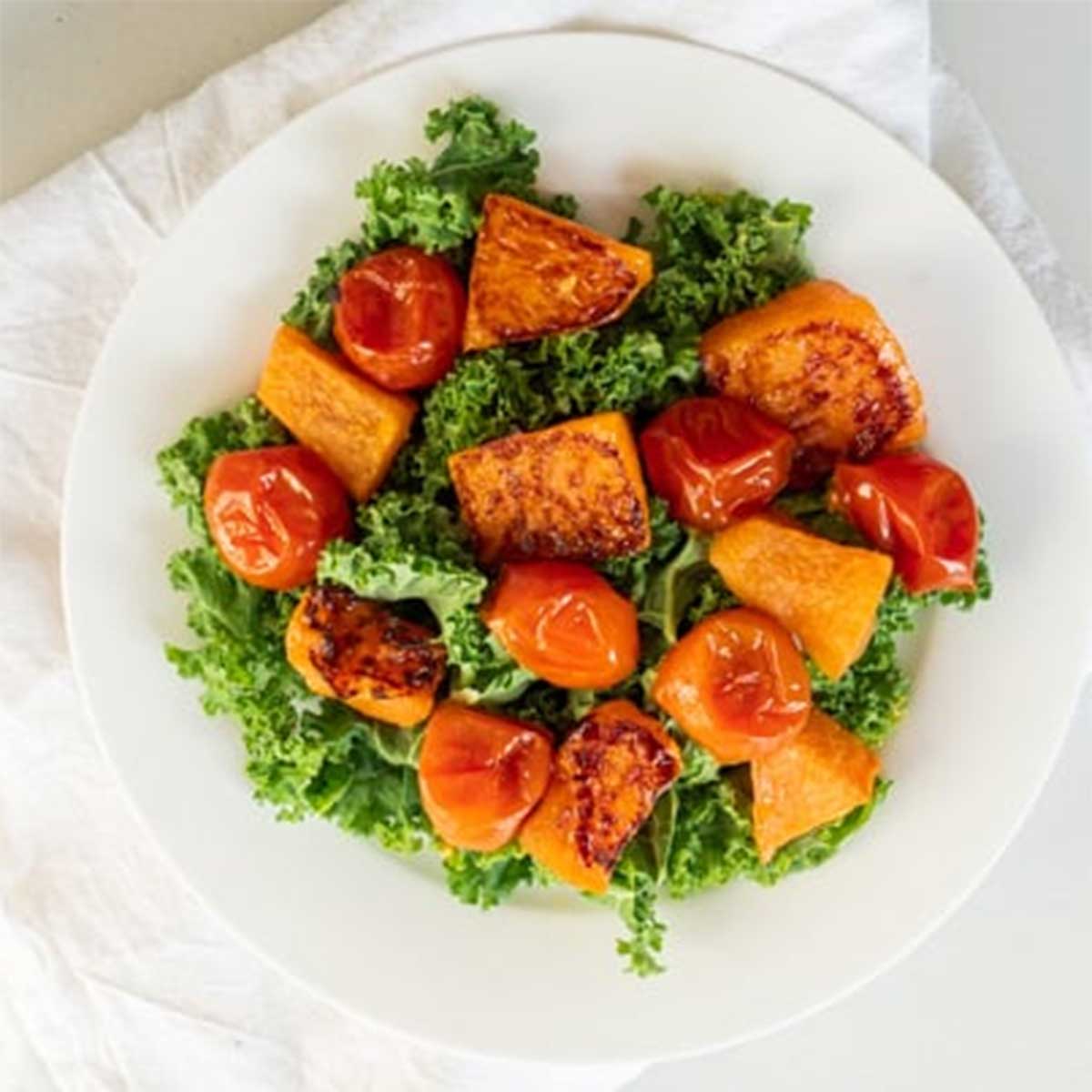
Roasted Cantaloupe Salad: A Low Glycemic Game Changer for Your Plate
Forget everything you thought you knew about fruit salads. While the vibrant sweetness of fresh cantaloupe is undeniably delicious, a culinary secret is transforming this familiar melon into an unexpected star: roasted cantaloupe salad. This innovative dish isn't just a treat for the taste buds; it's a strategic move for anyone looking to eat smarter, manage their blood sugar, and embrace a truly low glycemic lifestyle. In a world grappling with rising rates of obesity and diabetes, discovering delicious ways to make healthier food choices is more crucial than ever.
For too long, the idea of roasting fruit might have seemed peculiar, reserved perhaps for apples or pears in a dessert. But roasting cantaloupe unlocks a whole new dimension of flavor, deepening its natural sweetness and adding a subtle caramelization that makes it remarkably versatile. More importantly, when paired thoughtfully, it forms the foundation of a salad that can significantly contribute to better health, proving that "healthy" doesn't have to mean sacrificing flavor. It's truly a game changer in the low glycemic arena.
The Low Glycemic Advantage: Why It Matters for Your Health
The health landscape in the U.S. presents a stark reality: over half of all adults and a significant number of children are overweight or obese. A substantial portion of the adult population also lives with diabetes, a condition often linked directly to weight and lifestyle choices. These issues carry immense personal and economic costs, impacting everything from physical vitality to mental well-being. The good news? These conditions are largely manageable and even preventable through mindful lifestyle adjustments, particularly in our dietary habits and activity levels.
One of the most effective tools for taking control of our health is understanding and applying the principles of the Glycemic Index (GI) and Glycemic Load (GL). These metrics help us make informed decisions about the foods we consume by evaluating how quickly they affect our blood sugar levels.
Understanding Glycemic Index (GI) and Glycemic Load (GL)
- The Glycemic Index (GI) scores foods from 1 to 100 based on how rapidly they convert into sugar (glucose) in the bloodstream compared to pure glucose (which scores 100). Foods with a high GI cause a rapid spike in blood sugar, while low GI foods lead to a more gradual and sustained release of energy.
- Low GI: 55 or below (e.g., most non-starchy vegetables, legumes, whole grains, and, yes, roasted cantaloupe in a balanced salad).
- Medium GI: 56-69
- High GI: 70 or above (e.g., white bread, sugary drinks).
- The Glycemic Load (GL) offers a more comprehensive picture by considering both the GI of a food and the quantity of carbohydrates in a typical serving (around 3.5 ounces). This provides a real-world estimate of a food's impact on blood sugar.
- Low GL: 10 or less
- Medium GL: 11-19
- High GL: 20 or more
For everyone, not just those managing diabetes, choosing low GI and GL foods is profoundly beneficial. They help the body process energy more efficiently, prevent overwhelming blood sugar spikes, reduce appetite, and even encourage the metabolism to burn fat more effectively. Conversely, diets rich in high GI foods can actually increase hunger and hinder fat oxidation, contributing to weight gain.
Unveiling the Magic of Roasted Cantaloupe
The very idea of roasting cantaloupe might initially sound unconventional, even unheard of. Most people associate cantaloupe with refreshing, chilled slices on a hot day. However, this simple cooking technique transforms the melon in remarkable ways, elevating it to a savory-sweet ingredient that excels in dishes like our Discover Roasted Cantaloupe Salad: Unexpectedly Delicious & Simple.
When cantaloupe is roasted, its natural sugars caramelize, intensifying its sweetness and introducing subtle, warm, nutty undertones. The texture also changes, becoming tender with slightly crisped edges, adding a delightful contrast to the freshness of greens and other salad components. This process doesn't just make the cantaloupe taste incredible; it also makes it a more interesting and complex ingredient, perfect for a sophisticated, healthy meal.
This culinary "discovery" is what makes roasted cantaloupe salad a true game changer. It takes a familiar fruit and gives it a new purpose, turning it into the cornerstone of a satisfying and nutritionally sound meal that defies expectations. The surprising deliciousness of a few simple, well-chosen ingredients, particularly when enhanced by the roasting process, is something everyone deserves to experience.
Crafting Your Own Low Glycemic Roasted Cantaloupe Salad
Creating a delicious and low glycemic roasted cantaloupe salad is both simple and rewarding. The key is to balance the roasted cantaloupe with other low GI ingredients and a light, flavorful dressing. This isn't just a recipe; it's a template for culinary creativity that supports your health goals.
How to Roast Cantaloupe for Your Salad:
- Preparation: Start with a ripe but firm cantaloupe. Cut it in half, scoop out the seeds, and then slice it into wedges or cubes (about 1-inch pieces work well).
- Seasoning: Lightly toss the cantaloupe pieces with a tiny drizzle of olive oil. For an extra kick, a pinch of sea salt can enhance the sweetness, and a touch of chili powder or black pepper can add an unexpected savory dimension.
- Roasting: Spread the cantaloupe in a single layer on a baking sheet lined with parchment paper. Roast in a preheated oven at around 375-400°F (190-200°C) for 15-25 minutes, or until the edges are slightly caramelized and the cantaloupe is tender but still holds its shape. Keep a close eye on it to prevent burning.
Building Your Low Glycemic Salad: Ingredient Ideas
Once your roasted cantaloupe is ready, it's time to assemble your masterpiece. Focus on nutrient-dense, low GI ingredients to complement its unique flavor:
- Greens: Start with a base of leafy greens like spinach, arugula, mixed greens, or chopped romaine.
- Protein: Add lean protein for satiety. Grilled chicken breast, pan-seared salmon, hard-boiled eggs, or even plant-based options like roasted chickpeas or firm tofu work wonderfully.
- Vegetables: Incorporate other low GI vegetables. Consider thinly sliced red onion, cucumber, bell peppers, blanched asparagus, or even roasted broccoli florets (as inspired by an Asian cantaloupe salad concept).
- Healthy Fats/Texture: A sprinkle of chopped walnuts, pecans, almonds, or pumpkin seeds adds healthy fats and a satisfying crunch. A small amount of crumbled feta cheese or goat cheese can also add a delightful creamy, tangy counterpoint, keeping the glycemic load in check.
- Dressing: Keep dressings simple and free of added sugars. A vinaigrette made with extra virgin olive oil, apple cider vinegar or white wine vinegar, a squeeze of fresh lemon juice, and herbs like mint or basil, salt, and pepper is perfect. Avoid honey or sugar, or use a very minimal amount if absolutely necessary.
For more specific recipes and further inspiration on creating a satisfying and healthy lunch, be sure to explore Healthy Lunch Idea: Easy Roasted Cantaloupe Salad Inspiration.
Beyond the Plate: Lifestyle Tweaks for Lasting Health
While a delicious roasted cantaloupe salad is an excellent step towards healthier eating, it's vital to remember that true health transformation comes from a holistic approach. This salad is more than just a meal; it's an emblem of how small, deliberate food choices can contribute to a much larger picture of wellness.
Managing weight and preventing conditions like diabetes involves a combination of sensible dietary habits and consistent physical activity, no matter how minimal you start. Incorporating low glycemic foods like roasted cantaloupe, reducing processed sugars, and choosing whole, unprocessed ingredients are fundamental. Pair these dietary shifts with even a moderate amount of daily exercise – whether it's a brisk walk, cycling, or light strength training – and you'll empower yourself to take total control of your health journey. The goal is sustainability; find activities and foods you genuinely enjoy, making healthy living a pleasure, not a chore.
Conclusion
The roasted cantaloupe salad stands out as a truly innovative and impactful dish in the realm of healthy eating. By transforming a common fruit through the simple act of roasting, we unlock deeper flavors and textures, creating a culinary experience that is both unexpected and deeply satisfying. More importantly, this salad embodies the principles of low glycemic eating, offering a delicious way to manage blood sugar, support weight control, and boost overall well-being. It's a testament to how creative, mindful food choices can be a powerful tool in our quest for a healthier, happier life. So, step outside your culinary comfort zone and discover the delightful difference a roasted cantaloupe salad can make on your plate and in your health journey.
