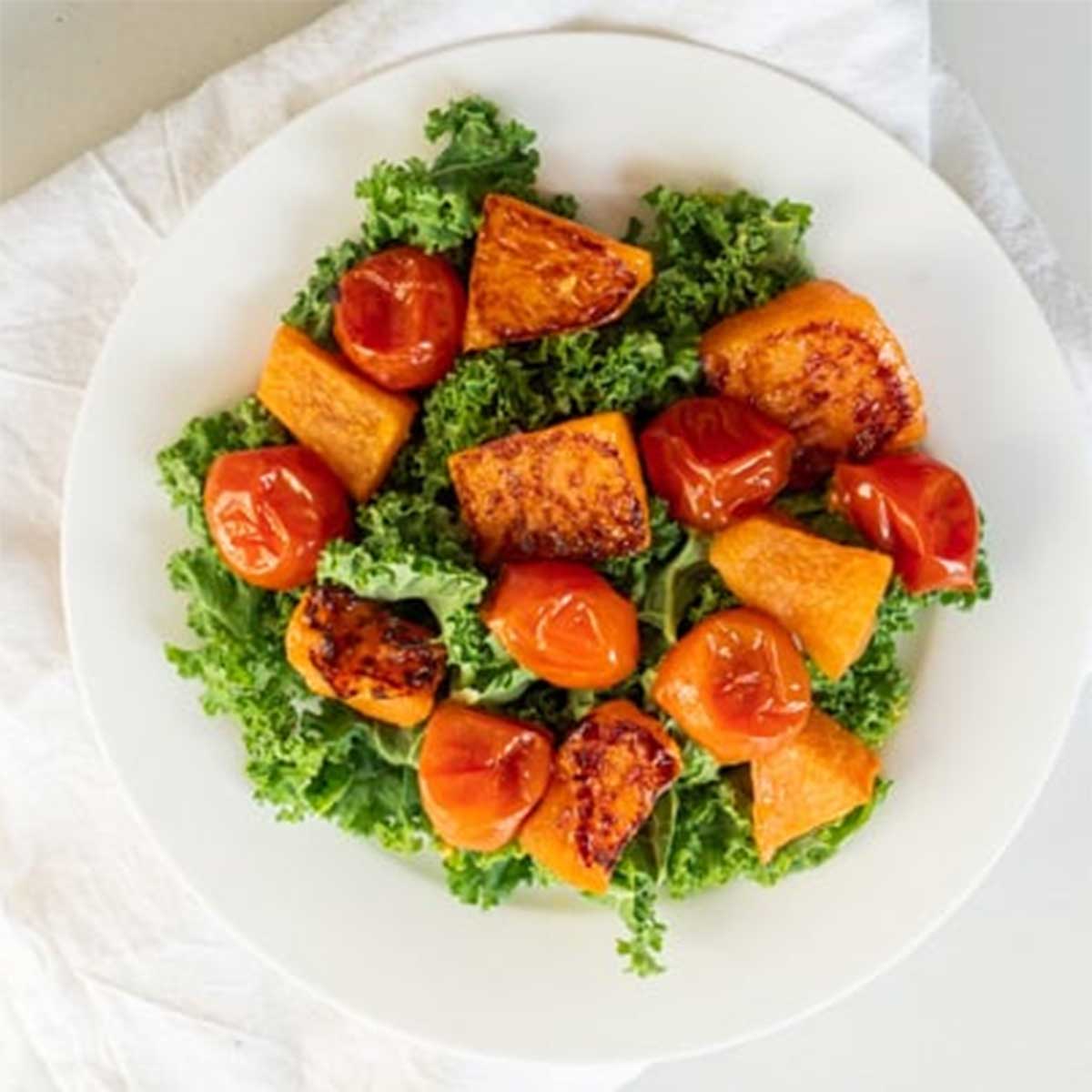
Healthy Lunch Idea: Easy Roasted Cantaloupe Salad Inspiration
Are you stuck in a lunch rut, constantly reaching for the same uninspiring and perhaps unhealthy options? It’s time to shake things up with a dish that promises both novelty and nourishment: the roasted cantaloupe salad. This unexpected culinary delight is not just a treat for your taste buds; it’s a smart choice for your health, offering a refreshing twist on traditional salads while being incredibly easy to prepare.
Most people associate cantaloupe with fresh, juicy slices served at breakfast or as a light dessert. But what happens when you introduce this vibrant melon to the warmth of an oven? A magical transformation! Roasting brings out an intensified sweetness, a slight caramelization, and a wonderfully tender texture that makes it an exceptional base for a savory-sweet salad. Prepare to discover a surprisingly delicious and effortlessly simple dish that will redefine your healthy lunch aspirations.
Why Roasted Cantaloupe? An Unexpected Culinary Delight
The very idea of "roasted cantaloupe" might sound unusual, and indeed, it's a concept that often sparks curiosity. Yet, this unconventional approach unlocks a depth of flavor that raw cantaloupe simply can't achieve. When roasted, the natural sugars in the melon caramelize, concentrating its inherent sweetness and developing subtle nutty undertones. The fruit softens slightly, creating a tender, almost jam-like texture on the inside, while maintaining a pleasant chewiness on the exterior.
This caramelization process is what makes roasted cantaloupe salad truly special. It provides a warm, comforting element that contrasts beautifully with crisp greens and tangy dressings, elevating a simple salad into a sophisticated and satisfying meal. Moreover, roasting transforms the cantaloupe from a purely sweet fruit into a versatile ingredient that can bridge the gap between sweet and savory, making it an ideal candidate for a diverse range of salad creations. It’s a game-changer for anyone looking to add unique flavors and textures to their healthy eating routine.
The Health Edge: Understanding Glycemic Impact for Better Living
In a world where diet-related health concerns are rampant, making informed food choices is more crucial than ever. The statistics are sobering: a significant portion of the adult population grapples with being overweight or obese, and millions more live with diabetes, often as a direct consequence of lifestyle choices. These conditions not only impact physical health but also take a toll on mental well-being and happiness, incurring substantial costs in medical and economic resources.
The good news is that managing and even preventing these issues is largely within our control through sensible dietary choices and consistent exercise. One powerful tool in this endeavor is understanding the Glycemic Index (GI) and Glycemic Load (GL) of the foods we eat.
Decoding the Glycemic Index (GI) and Glycemic Load (GL)
- Glycemic Index (GI): This index assigns a score from 1 to 100 to foods based on how quickly they convert into sugar in the bloodstream. Foods with a high GI (70 or above) cause rapid spikes in blood sugar, while low-GI foods (55 or below) result in a slower, more sustained release of energy. Slowly digested foods allow the body to assimilate calories more efficiently, preventing an overload of sugar that can be particularly problematic for individuals with diabetes, but beneficial for everyone.
- Glycemic Load (GL): While GI measures the *quality* of carbohydrates in a food, GL considers the *quantity* of carbohydrates in a typical serving size (approximately 3.5 ounces). A GL score of 20 or more is considered high, while ten or less is low. This metric provides a more realistic picture of a food's actual impact on blood sugar levels in real-world consumption.
Choosing foods with lower GI and GL scores offers numerous benefits. They help stabilize blood sugar, reduce appetite, and encourage the metabolism to burn body fat more effectively. Conversely, diets rich in high-glycemic foods can actually increase appetite and hinder fat oxidation. Fresh cantaloupe, for instance, generally has a moderate GI, making it a better choice than many other fruits when considering blood sugar impact. When roasted, its natural sugars concentrate, but when paired with fiber-rich vegetables and healthy fats in a salad, its overall glycemic impact can be managed effectively, contributing to a balanced and satisfying meal.
Incorporating dishes like roasted cantaloupe salad into your diet is a strategic move towards better health. It’s a delicious way to enjoy fruits while being mindful of their impact on your body, helping you take control of your weight and overall well-being without sacrificing flavor.
Crafting Your Easy Roasted Cantaloupe Salad: A Step-by-Step Guide
The beauty of a roasted cantaloupe salad lies in its simplicity and adaptability. You don't need a complex recipe to create a masterpiece. Here's how to build your own, drawing inspiration from common ingredients and simple techniques:
1. Roasting the Cantaloupe
- Preparation: Start with a ripe, firm cantaloupe. Halve it, scoop out the seeds, and peel the skin. Cut the flesh into bite-sized cubes (about 1-inch).
- Seasoning: Toss the cantaloupe cubes with a tiny drizzle of olive oil, a pinch of salt, and a dash of black pepper. For a touch of extra sweetness and depth, you can add a whisper of honey or maple syrup, or even a sprinkle of chili flakes for a sweet-spicy kick.
- Roasting: Spread the seasoned cantaloupe in a single layer on a baking sheet lined with parchment paper. Roast in a preheated oven at 400°F (200°C) for 15-25 minutes, or until the edges are lightly caramelized and the fruit is tender but still holds its shape. Let cool slightly.
2. Assembling Your Salad
With your roasted cantaloupe ready, the rest of the salad comes together quickly. Think about balance: crisp, fresh elements; creamy or tangy components; and a vibrant dressing. Here’s a foundational idea, inspired by Asian flavors and the addition of cheese, but keeping it light and lunch-friendly:
Simple Roasted Cantaloupe Salad Inspiration
- Base Greens: Start with 2-3 cups of your favorite crisp greens – baby spinach, mixed spring greens, or even peppery arugula.
- Roasted Cantaloupe: Add your cooled roasted cantaloupe cubes.
- Crunch & Color: Incorporate ½ to 1 cup of other vegetables. Sliced cucumber, bell peppers, or even blanched broccoli florets (as seen in some Asian-inspired salads) add fantastic texture and nutrients. Julienne-cut vegetables work beautifully here.
- Tangy Element: Crumbled feta cheese (about 2 tablespoons) offers a delightful salty contrast that perfectly complements the sweetness of the cantaloupe. Goat cheese or even a mild blue cheese could also work.
- Dressing (An Easy Three-Ingredient Blend):
- 1 tablespoon good quality vegetable oil (e.g., olive oil, grapeseed oil)
- ½ tablespoon vinegar (apple cider vinegar, rice vinegar, or white wine vinegar)
- ½ tablespoon honey (or maple syrup)
- Salt and freshly ground black pepper to taste
To Assemble: In a large bowl, combine your greens, roasted cantaloupe, and any additional vegetables. Pour the dressing over the mixture and gently toss to coat. Top with the crumbled feta cheese and serve immediately. This effortlessly delicious combination proves that healthy eating doesn't have to be complicated. For more simple and satisfying ideas, explore how Discover Roasted Cantaloupe Salad: Unexpectedly Delicious & Simple can inspire your next meal.
Beyond the Basics: Customizing Your Roasted Cantaloupe Salad
The beauty of the roasted cantaloupe salad is its versatility. Once you have the core concept down, you can experiment with various ingredients to suit your taste and dietary needs:
- Proteins: To make it a more substantial lunch, add grilled chicken, pan-seared shrimp, baked salmon, crumbled tofu, or chickpeas.
- Nuts & Seeds: Toasted almonds, pecans, walnuts, pumpkin seeds, or sunflower seeds add crunch and healthy fats.
- Herbs: Fresh mint, basil, cilantro, or parsley can elevate the flavor profile.
- Other Fruits: Thinly sliced red onion, avocado, or even berries can provide additional layers of flavor and texture.
- Cheese Varieties: Beyond feta, consider fresh mozzarella, creamy burrata, or shaved Parmesan.
- Flavor Profiles:
- Mediterranean Twist: Add Kalamata olives, cucumbers, cherry tomatoes, and a lemon-oregano vinaigrette.
- Spicy Kick: Incorporate sliced jalapeños or a dash of hot sauce into the dressing.
- Sweet & Savory: Pair with prosciutto or crispy bacon bits.
- Meal Prep: Prepare the roasted cantaloupe and dressing ahead of time. Store greens and other fresh components separately, then combine just before serving to maintain freshness.
With these endless possibilities, your roasted cantaloupe salad can evolve with your cravings and what you have on hand, ensuring you never get bored with your healthy lunch choices.
Embrace the unexpected with a roasted cantaloupe salad – a true revelation for anyone seeking a healthy, flavorful, and easy lunch idea. Its unique blend of sweet, savory, and caramelized notes, coupled with the nutritional benefits of a low glycemic approach, makes it an intelligent choice for managing weight and promoting overall well-being. So, go ahead, get inspired, and try out this surprisingly delicious dish. Your taste buds and your body will thank you!
