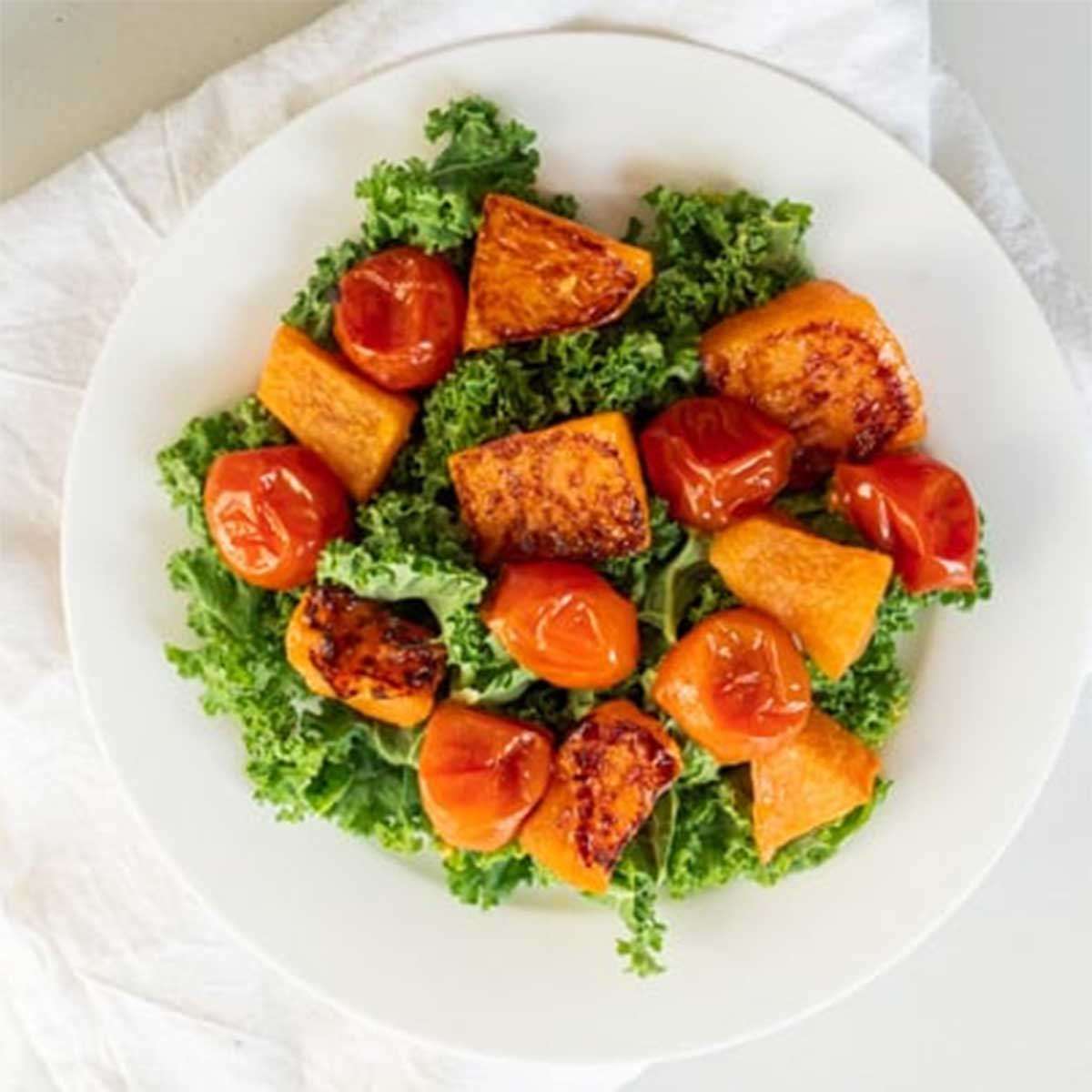
Discover Roasted Cantaloupe Salad: Unexpectedly Delicious & Simple
Forget everything you thought you knew about cantaloupe. While delightful fresh, the humble melon undergoes a magical transformation when introduced to heat. The result? A healthy lunch idea that is both surprisingly gourmet and incredibly easy to prepare: the roasted cantaloupe salad. This dish isn't just a culinary curiosity; it's a game-changer for anyone seeking vibrant flavors, effortless simplicity, and significant health benefits, especially concerning metabolic well-being. From surprising your taste buds to supporting a balanced diet, roasted cantaloupe salad is carving out a niche as an unexpectedly delicious and highly sought-after culinary inspiration.
Why Roasted Cantaloupe? Unlocking a New Flavor Dimension
The concept of roasting fruit might seem unconventional, but it's a technique that unlocks an entirely new spectrum of flavors and textures. When cantaloupe is roasted, its natural sugars caramelize, intensifying its sweetness and introducing a depth of flavor that raw melon simply doesn't possess. The flesh softens slightly, becoming wonderfully tender with a subtly crisp exterior. This process transforms the fruit from a refreshing, watery snack into a rich, aromatic component perfect for a savory or sweet salad.
The beauty of roasted cantaloupe salad lies in this unexpected transformation. It challenges preconceptions and rewards curiosity with a sophisticated taste profile. This innovative approach to a common fruit makes it a standout ingredient, capable of elevating a simple salad into something truly memorable and surprisingly addictive. The "unusual" factor, as noted by many who first encounter it, quickly turns into an "unforgettable" experience, demonstrating the power of simple culinary tweaks.
The Health Powerhouse: Understanding Glycemic Index and Load
Beyond its unique taste, roasted cantaloupe salad offers significant advantages for health-conscious diners, particularly those focused on managing blood sugar and weight. In an era where overweight and obesity rates are staggering, affecting over half the U.S. adult population and contributing to conditions like type 2 diabetes, making informed food choices is more critical than ever. Diet plays a pivotal role in controlling these issues, and understanding the Glycemic Index (GI) and Glycemic Load (GL) is an excellent place to start.
Simply put, our bodies convert almost all foods into sugar calories, which provide energy. The Glycemic Index measures how quickly a food causes your blood sugar to rise after consumption, assigning a score from 1 to 100. Pure glucose scores 100, serving as the benchmark. Foods with a GI of 55 or below are considered low-glycemic, while those 70 or above are high. For example, white bread, made from processed flour, typically scores a "perfect" 100 on the GI scale.
The Glycemic Load, on the other hand, provides a more realistic picture by considering both the GI of a food and the amount of digestible carbohydrates (sugars) in a typical serving size (roughly 3.5 ounces). A GL of 20 or more is considered high, while ten or less is low. This distinction is crucial because a food might have a high GI but a low GL if consumed in small portions.
Why does this matter? Eating foods with a low GI and GL helps maintain stable blood sugar levels, preventing the spikes and crashes that can lead to cravings, fatigue, and fat storage. For individuals with diabetes, slower sugar assimilation is vital. But even for those without the condition, low-glycemic foods promote sustained energy, reduce appetite, and encourage the metabolism to burn body fat more efficiently. Conversely, diets high in fast-acting sugars can increase appetite and hinder effective fat oxidation.
Cantaloupe, even after roasting, maintains a relatively moderate GI and GL, making it a thoughtful choice when paired with other low-glycemic ingredients in a salad. It's a sweet treat that doesn't derail your metabolic goals. For a deeper dive into how this dish can transform your diet, check out Roasted Cantaloupe Salad: A Low Glycemic Game Changer.
Crafting Your Perfect Roasted Cantaloupe Salad: Beyond the Basics
The beauty of a roasted cantaloupe salad lies in its versatility and ease of preparation. The core concept is simple, yet the potential for customization is vast. Let's break down how to create a delicious and healthy version.
The Roasting Process
Start by preparing your cantaloupe. Choose a ripe, firm melon. Cut it in half, scoop out the seeds, then cut it into 1-inch thick wedges or cubes. Tossing the pieces with a very light drizzle of olive oil (or avocado oil) and a pinch of salt can enhance caramelization. Some enthusiasts even add a dash of cinnamon, a touch of honey, or a balsamic glaze before roasting for an extra layer of flavor. Roast in a preheated oven at around 375-400°F (190-200°C) for 15-20 minutes, or until the edges are slightly browned and caramelized. The aroma alone will be enough to tempt your taste buds!
Building Your Salad Base
Once roasted, the cantaloupe is ready to be the star of your salad. Here are some complementary ingredients to consider:
- Greens: Arugula provides a peppery counterpoint to the sweetness. Spinach, mixed greens, or even finely shredded kale work wonderfully.
- Proteins: For a more substantial meal, add grilled chicken, pan-seared shrimp, chickpeas, or roasted tofu. These add satiety and balance.
- Cheeses: Crumbled feta cheese is an exceptional pairing, offering a salty tang that beautifully complements the sweet melon. Goat cheese or shaved Parmesan are also excellent choices.
- Nuts & Seeds: Toasted pecans, walnuts, slivered almonds, or pumpkin seeds add a delightful crunch and healthy fats.
- Other Vegetables: Thinly sliced red onion, cucumber, bell peppers, or even blanched or roasted broccoli florets can add texture and nutrients, drawing inspiration from various fresh salad concepts. Fresh mint or basil leaves can also provide a bright, herbaceous note.
The Simple Dressing
A basic dressing can be incredibly effective. Whisk together:
- 2 tablespoons extra virgin olive oil
- 1 tablespoon vinegar (apple cider, white wine, or balsamic work well)
- 1 teaspoon honey or maple syrup (adjust to taste)
- Salt and freshly ground black pepper to taste
For variations, consider adding a squeeze of lime juice for brightness, a touch of Dijon mustard for tang, or even a pinch of chili flakes for a subtle kick. The key is to create a dressing that harmonizes with the sweet and savory elements without overpowering them.
Toss your chosen greens, roasted cantaloupe, and other ingredients with the dressing. Top with your cheese, nuts, and herbs, and serve immediately. It's truly that simple to create an unforgettable, healthy meal. For more ideas on integrating this into your daily routine, explore Healthy Lunch Idea: Easy Roasted Cantaloupe Salad Inspiration.
Tips for Success and Variations
- Don't Overcrowd the Pan: When roasting, ensure cantaloupe pieces are in a single layer to allow for proper caramelization.
- Season Thoughtfully: A tiny pinch of salt before roasting can actually enhance the melon's sweetness. Experiment with savory spices like smoked paprika or a touch of cayenne for a unique twist.
- Chill or Serve Warm: Roasted cantaloupe is delicious both warm, straight from the oven, or slightly chilled. If serving as a side dish, warm can be lovely. For a refreshing lunch, chilling it slightly can be perfect.
- Meal Prep Friendly: Roast a larger batch of cantaloupe at the beginning of the week. Store it separately from your greens and dressing, then assemble your salad fresh each day for a quick, healthy meal.
- Beyond Salads: Roasted cantaloupe can also be a fantastic addition to yogurt parfaits, overnight oats, or even as a unique topping for grilled fish or pork.
Conclusion
The roasted cantaloupe salad is more than just a recipe; it's an invitation to explore unexpected flavors and embrace simple, healthy eating. By transforming a familiar fruit through roasting, you unlock a depth of sweetness and texture that elevates a basic salad into a genuinely exciting culinary experience. Coupled with its benefits for blood sugar management and overall well-being, this dish stands out as a smart, delicious choice for anyone looking to add variety and health to their plate. So, take inspiration from the growing community of enthusiasts and discover the unexpectedly delicious world of roasted cantaloupe for yourself.
